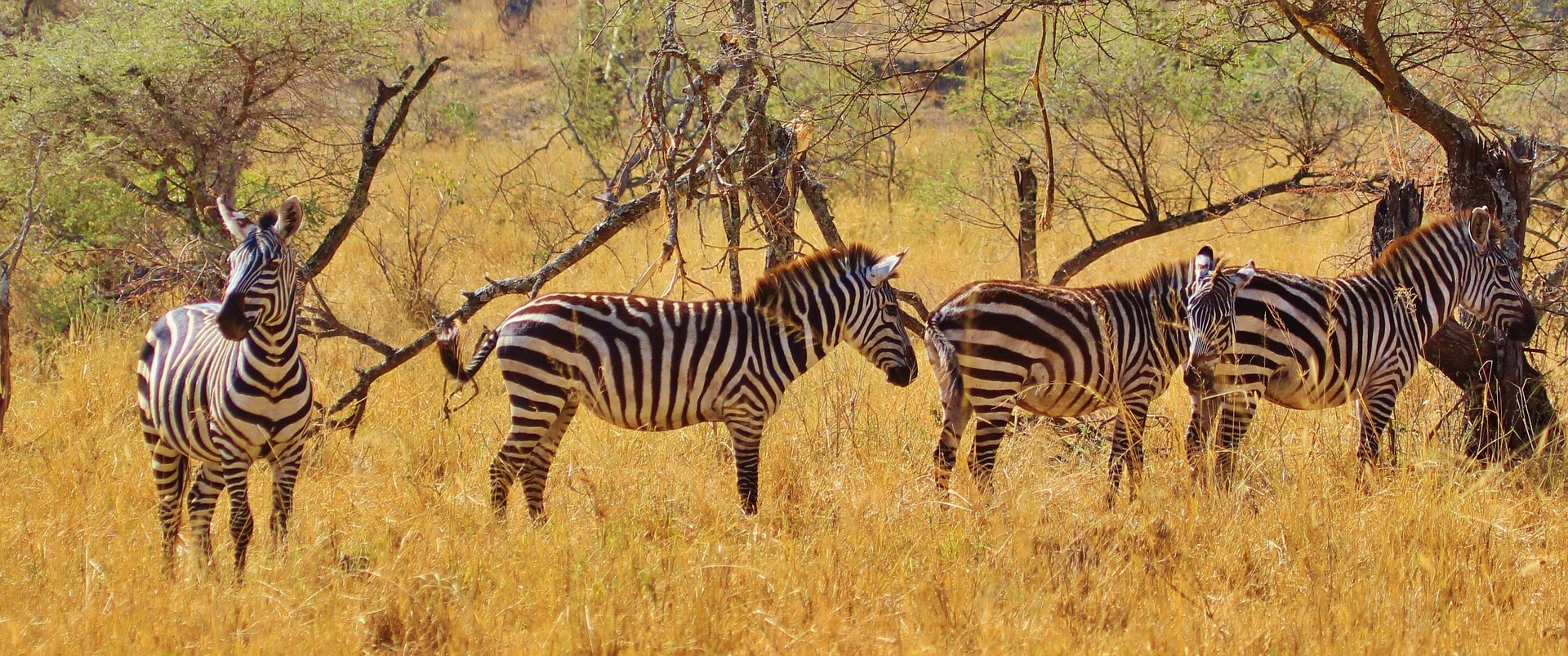
Tanzania is a prime example for what most people expect when they think about Africa. The endless wilderness of the national parks with a vast variety of wild animals in their natural surroundings, the exotic and colorful Maasai culture and mountaintops from where you feel like you could see the edges of the world. And although all of these romantic ideas are perfectly true, there is so much more to discover about this country, especially when you volunteer in Tanzania. There are plenty advantages of being a volunteer in Tanzania in comparison to just traveling the country as a tourist. There is no better way to really get to know the culture and the people of a country than to become a part of the society by offering a helping hand. Benefit from exceptional encounters with new people and take a chance to explore Tanzania with the eyes of an insider. To give you a good overview of what being a volunteer in Tanzania means, this guide will provide you with information about the country's social projects as well as the costs and precautions necessary. Furthermore, it will show you how you can spend your free time with different activities and traveling. [accordion] [item title="Top 6 fun facts about Tanzania"]
[/item] [/accordion]
[caption id="attachment_11774" align="alignright" width="394"]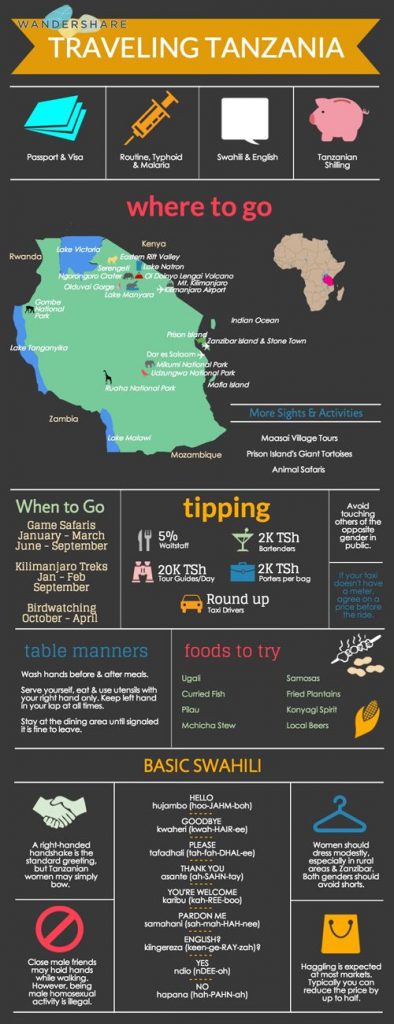
Especially in the rural areas, doctors and hospitals in Tanzania have to deal with out-dated equipment, medication shortages and insufficient staff whilst the number of patients that need medical care is growing. Volunteers in this field of work do not necessarily require a special formation in the medical sector, even though it is highly appreciated and helpful for the local staff. Usual volunteer tasks in Health Care depend on the previous knowledge of the volunteer and can contain the assistance of nurses on their rounds, handing out medication, taking blood samples, minor surgeries and working in the maternity ward or psychotherapy department. Prevention talks in the communities or schools about hygiene, illnesses, protection and prevention are also a crucial part of voluntary work in this sector.
Volunteering in education offers plenty of possibilities to become creative and have an impact on young children’s education. Teaching English to kids and adults is one of the most searched jobs, but you can also educate people in business, IT- or mathematical skills, depending on your own strengths. Furthermore, you can become active to compensate lacking work materials and underemployed schools by creating after-school classes for the kids where you play sports or other games.
As a volunteer in Tanzania, there are many different fields in community development where helping hands are needed. If you like physical work where you can see the outcome of your effort straight away, you might enjoy helping in building or renovating schools and community houses to improve the surroundings of the school kids and locals. If you prefer working with people and your strengths lie more in communication, you can lead environmental awareness workshops where you educate locals on topics such as sustainability, recycling and renewable energies. [caption id="attachment_11794" align="alignnone" width="988"]
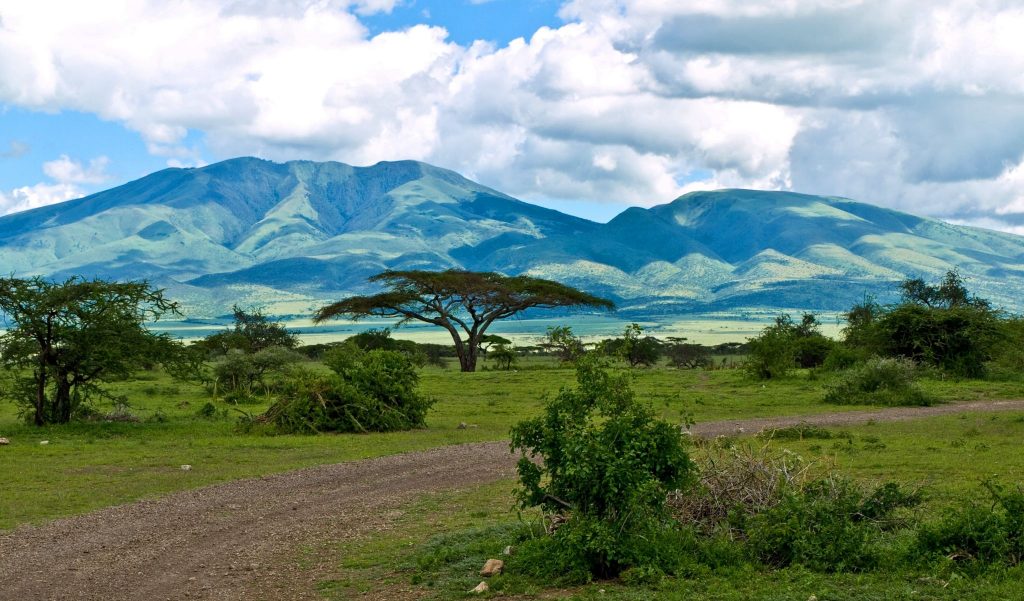
Mountains of the Serengeti[/caption]
„It has been a very nice experience as you see so many different things in a short period of time. I think I will do things a bit differently now when I am back home.“ - Guus, from the Netherlands
If you want to really explore the country you volunteer in, make sure you have a certain travel budget apart from the required program fees. The big cities like Dar es Salaam are more expensive than the rural areas, but generally you can calculate a daily budget of 20-30$ when you travel Tanzania, safaris or other excursions not included. Food can be found really cheap if you want to try the local street food for around 1$ per meal, in basic cafés and restaurants you will pay between 2-5$. Accommodation costs vary depending on the standard you are looking for, but hostels can usually be found for 4-10$ per night and person. You will need a Visa or MasterCard for accessing money from ATMs and paying entry fees at national parks. For hotel payment, credit cards are widely not accepted and if so, the hotels usually charge a high commission, so you will need to go with cash and ATMs. The following table will give you an overview about additional cost that might be important for your trip.
 |
 |
 |
 |
 |
| Hotel $ 42.41 | Big Mac® $ 2.96 | Coca-Cola® $ 0.47 | Eating out $ 4.70 | Rental car $ 200/week |
 |
 |
 |
 |
 |
| Hostel $ 7.05 | Marlboro™ $ 1.41 | Beer $ o.94 | Fuel $ 1.01 | Public transport $ 0.14 |
The climate in Tanzania varies considerably due to the large size of the country, from tropical along the coast to temperate in the highlands.
The main rainy season lasts from March until May and is defined by tropical downpours in the afternoon and flooding on the central plateau. The humidity is very high and the temperatures reach the low-mid 30s.
From June until October, during the long dry season, rain is very unusual. The temperatures vary hugely with the altitude and location but usually the weather is clear and sunny and temperatures are between 20 and 30 degrees.
In November and December, between the long and the short dry seasons, there are light and less predictable rains while the temperatures rest between 20 and 30 degrees.
In January and February, the weather clears up before the long rains and temperatures climb up slightly. The wildebeest migration happens all year round and is independent from the seasons. [caption id="attachment_11793" align="alignnone" width="872"]
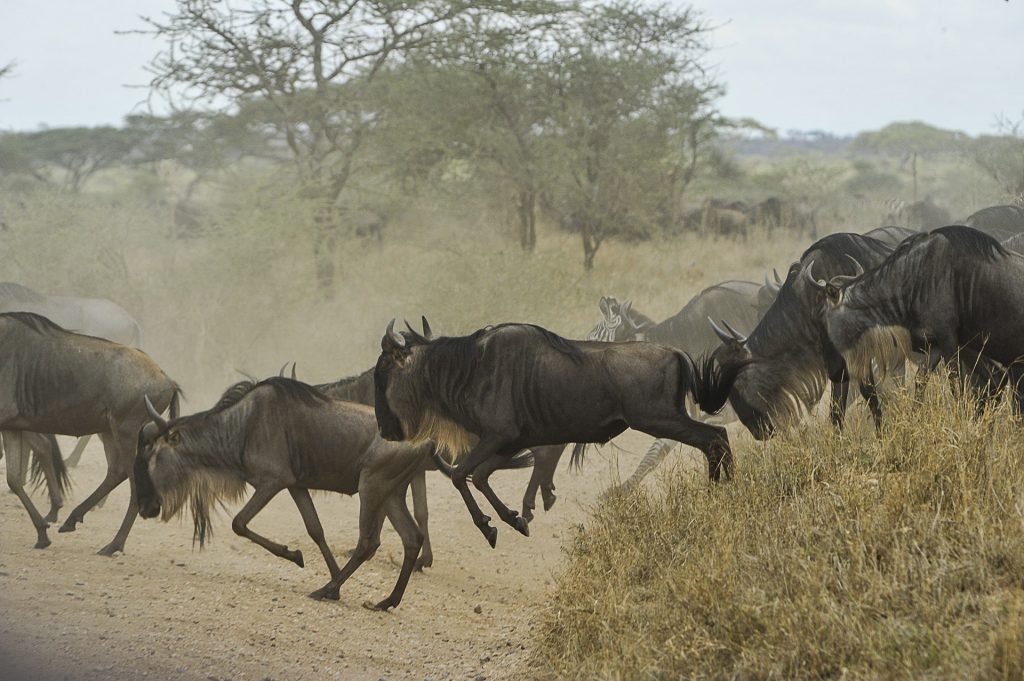
Wildebeest Migration[/caption]
Going abroad and traveling foreign countries always includes some issues and precautions that need to be taken into account. Some of the following tips might help you when traveling Tanzania. [accordion] [item title="Safety"]
[/item] [item title="Health"]
[/item] [item title="Religion"]
[/item] [item title="Essential Packing"]
[/item] [/accordion]
The two most spoken languages in Tanzania are English and Swahili. Here are some phrases that might be helpful for your stay in Tanzania: [columns_row width="third"] [column]

Hello: Hujambo
(hoo-JAHM-boh)
[/column]
[column]

Goodbye: Kwaheri
(kwah-HAIR-ee)
[/column]
[column]

Thank you: Asante
(ah-SAHN-tay) [/column]
[/columns_row]
[caption id="attachment_11791" align="alignnone" width="929"]
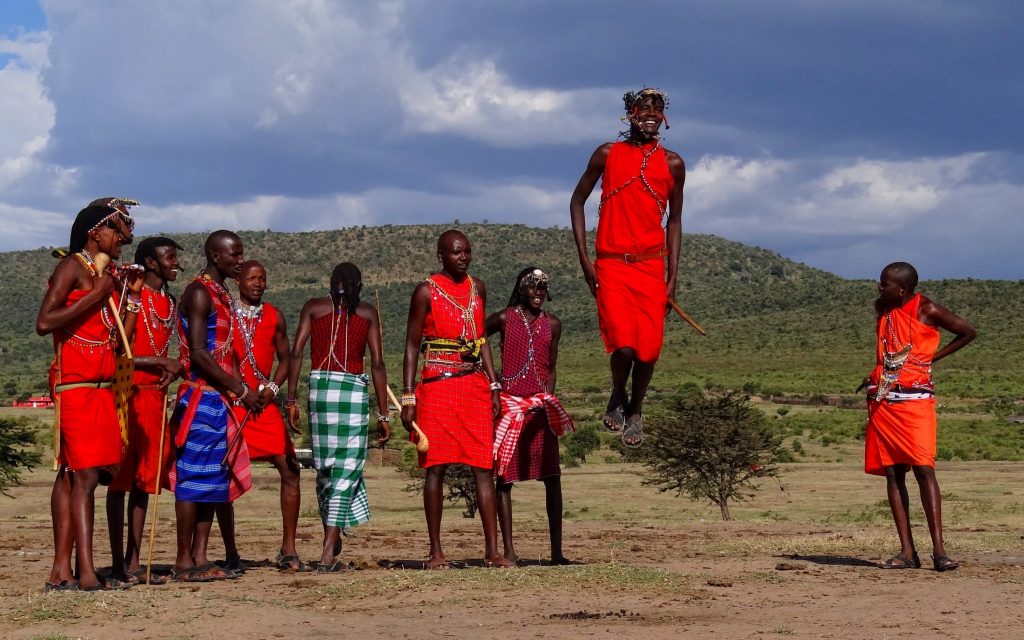
Traditional Maasai Dance[/caption]
Now that you know which kind of work you can do as a volunteer in Tanzania and when is the best time to go there, it is time to talk about the things this country has to offer when it comes to your free time. Maybe you are planning on staying in the country a bit longer after finishing your volunteer job so that you can travel around and explore the breath-taking wildlife, the highlands, cities and beautiful beaches. Check out our top picks for planning on traveling Tanzania! [accordion] [item title="Serengeti National Park"]
The Serengeti National Park covers 14,750 square kilometers of grassland plains, savannah, riverine forest and woodlands. It is most famous for its annual migration of over 1,5 million wildebeest and 250,000 zebras. You can also find the “big five” here: the Masai Lion, the African Leopard, the African bush elephant, the Eastern black rhinoceros and the African buffalo. [/item] [item title="Katavi National Park"]
Katavi National Park is the heart of one of the biggest and richest wildlife areas in Tanzania with more than 50 species of large to medium mammals. You will find large herds of of zebras, topis and impala, as well as elephants, hippos, giraffes and many others. [/item] [item title="Hot Air Balloon Tour"]
Why not try a completely different type of safari and observe the “big five” and all the other amazing species found in Tanzania from the air? Hot air balloon tours are offered by most National Parks and they allow you to experience a safari without infringing on the animals territory. [/item] [item title="Zanzibar"]
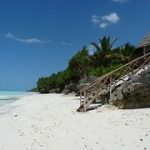
The Zanzibar archipelago lies 15 miles off the Tanzanian coast in the Indian Ocean and is known for its beautiful beaches and the turquoise-blue water, especially at the north, east and south coast. You can either relax at a sandbar or visit one of the many small, nearly deserted islands that are almost unvisited by tourists. [/item] [item title="Ngorongoro Crater"]
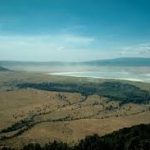
Ngorongoro Crater is a UNESCO World Heritage Site located in the Crater Highlands area of Tanzania. It is the world’s largest inactive, intact volcanic crater and is seasonally turned into a salt lake when the water of the Munge Stream rises due to long rains and fills the crater with water. [/item] [item title="Mount Kilimanjaro"]
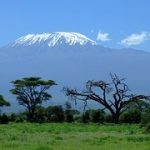
Mount Kilimanjaro is a currently inactive volcano and the highest peak in Africa. Also, it is the world’s highest free-standing mountain and its relatively easy ascent made it a major destination for mountaineers and trekkers from around the world. The climatic conditions vary the higher one gets, so that climbing the Mount Kilimanjaro feels like walking from the equator to the arctic pole in a matter of days. [/item] [item title="Pemba"]
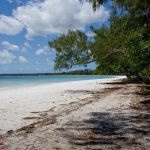
Pemba is also called “the green island” in Arabic and is a part of the Zanzibar archipelago. It is home to several diving sites, with steep drop-offs, untouched corals and very abundant marine life. With the dreamy white beaches and the clear water, Pemba is a great place for relaxing in the sun. [/item] [item title="Dar es Salaam"]
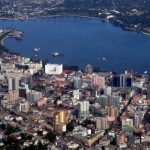
Tanzania’s capital is known for its eclectic cultural mix and very down-to-earth vibes. You will find a great variety of museums and cultural sites, restaurants and bars. Due to its close proximity to the sea, you can also make day trips to beautiful beaches. [/item] [item title="Lake Natron"]
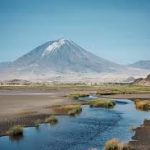
Lake Natron is situated in the Arusha Region. It is quite shallow with a depth of only three metres. High levels of evaporation leave it high in natron, which is where the lake’s name and its red colour come from. Most animals find the lake’s high temperature (up to 60 degrees) and high salt content inhospitable, however it is the breeding area for around 2,5 million flamingos. [/item] [/accordion]
Citizens of the following nationalities are allowed to travel to and volunteer in Tanzania without applying for a visa at a Tanzanian embassy or consulate before traveling to Tanzania and are allowed to stay in the country for three months. You can also consult a list of every country and it’s visa requirements online. Anguilla, Antigua and Barbuda, Bahamas, Barbados, Belize, Bermuda, Botswana, Virgin Islands, Brunei Kingdom, Cayman Islands, Christmas Island, Cocoas, Gambia, Ghana, Hong Kong, Kenya, Lesotho, Malawi, Malaysia, Mozambique, Namibia, Swaziland, Uganda, Zambia, Zimbabwe Citizens from the following countries require a referral visa to travel to and volunteer in Tanzania. Referral Visa means that their visa application needs special clearance and approval from the Immigration Services, which can take longer than just applying for an ordinary visa. You can also consult this list online. Afghanistan, Azerbaijan, Bangladesh, Chad, Djibouti, Ethiopia, Eritrea, Equatorial Guinea, Kazakhstan, Kyrgyzstan, Lebanon, Mali, Morocco, Mauritania, Niger, Palestine State, Senegal, Somalia, Sri Lanka, Somali Land, Sierra Leone, Tajikistan, Turkmenistan, Uzbekistan Also: Refugees and Stateless The application for a referral visa consists of the following:
Citizens from any other country need to apply for an ordinary visa in order to be able to volunteer in Tanzania for up to three months. The application consists of the following:
If you want more information about this topic and other topics, consult the website of Tanzania's Immigration Service Department and get all the information that you need!
Ready to start planning? Explore and comparevolunteer programs in Tanzania and find your very own volunteer opportunity on Volunteer World. This platform is all about making volunteering in Tanzania simple and transparent. Featuring more than 500 volunteer programs and over 600 social projects in 70+ countries; Volunteer World is a one-stop resource for volunteer abroad opportunities.